What is the Internet of Things?
The Internet of Things (IoT) is a large and interconnected network of devices capable of communicating with each other and exchanging data independently, without requiring human intervention.
These devices are usually labeled as “smart” devices. They are available in various forms, from simple sensors and household appliances to highly sophisticated industrial machines.
The primary purpose of IIoT is to incorporate technology within everyday objects, allowing them to gather, process, and share data over the internet or other communication platforms. The IIoT system connects digital and physical realms together, allowing them to connect, communicate, and perform tasks independently.
Major Components of IoT
To understand how IoT works, you must first understand its important components. These components work together to develop a seamless and effective system that allows for the gathering, transmission, processing, and utilization of data. The next sections will discuss these components.
Devices and Sensors
Devices and sensors are one of the most important components of any IoT system. They are also the first component to encounter, as they are responsible for gathering data from the environment. The devices differ in complexity.
The simple ones have basic sensors that measure humidity, temperature, and light levels. The complex ones are multi-functional robots that have multiple sensors and actuators to perform complex tasks.
Irrespective of their complexity, they all play a significant role in gathering and processing data. For instance, a temperature sensor can measure the ambient temperature in a room, while an industrial robot controls the operational status and recognizes any defects.
After data collection, the sensors process the data locally to some level, then send it to other devices or centralized systems for more processing.
Connectivity
After the devices and sensors collect data, they must transfer the data to a central processing system or other connected devices for processing. Connectivity is a major component that helps link several systems together.
IoT devices use various communication protocols to send data, depending on the specific requirements of the application. The most common communication protocols used in Industrial Internet of Things include:
- Bluetooth: It is commonly used for short-range communication between devices. For example, it can be used to pair a smartphone with a wearable fitness tracker.
- Zigbee: It is a low-power, short-range communication protocol commonly used in smart home devices.
- Cellular Networks: It is used for long-range communication, especially in applications such as connected cars or remote monitoring systems.
- Wi-Fi: It is commonly used in homes and offices to connect devices to the internet.
Data Processing
After transmission of data via communication protocols, the data needs to be processed to remove the meaningful information. Data processing can be done either locally on the device, by centralized servers, or by a method known as edge computing. Here are the most commonly used data processing methods:
- Edge Computing: This method involves processing the data close to the source. That is, it is the device or a nearby local server that processes data. Edge computing is commonly used in applications where real-time processing is needed, like in industrial automation or autonomous vehicles. Since it processes data locally, it reduces latency, preserves bandwidth, and improves data privacy.
- Cloud Computing: This method involves the transmission of data from more than one IoT device to centralized servers for processing. It is commonly used for applications where large amounts of data require analysis and storage, like in large-scale industrial monitoring systems or smart city projects. Cloud computing offers scalability, allowing devices to process data from millions of other devices simultaneously.
User Interface
The user interface is the terminal component in the industrial Internet of Things ecosystem. It is the way processed data is offered to the user. The user interface plays an important role in allowing users to monitor and operate their IoT devices effectively.
- Mobile Apps: Mobile apps control many IoT devices, especially those in smart homes. They allow users to monitor the status of their devices, receive alerts, and change settings remotely.
- Web Dashboards: Web-based dashboards are used in industrial and commercial applications to present data in a more comprehensive and accessible way. The dashboards can display real-time data, historical trends, and predictive analysis. This helps users make informed decisions.
- Simple Notification Systems: The user interface could also be as simple as a notification system that alerts users to certain events, like a security breach in a smart home, or a maintenance alert for industrial equipment.
IoT Applications
The Internet of Things is well known for its versatility, making it common in a number of industries, essentially transforming the way they work as well as the way individuals interact with their environments.
We shall discuss the innovative impacts of the Internet of Things across various fields, as well as its role in improving efficiency and decision-making and creating new opportunities for innovation.
Smart Homes
Smart homes are one of the most popular applications of IoT. They involve the integration of several IoT devices that work together to develop a more convenient, effective and safe living environment. Here are common examples of IoT applications in smart homes:
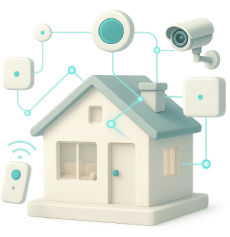
- Smart Thermostats: A popular example is the Nest Thermostat, which can learn a user’s temperature preferences over time and automatically change the heating or cooling system to suit the user and maximize energy use. These thermostats can also be controlled remotely through smartphone apps, allowing users to change settings from anywhere.
- Security Cameras and Systems: Security systems powered by IoT offer real-time monitoring of homes through cameras and sensors that can be accessed remotely. These systems have features like motion detection, facial recognition, and alerts sent directly to the user’s mobile device when there are any security concerns.
Healthcare
IoT has also had a significant impact on healthcare. The system has transformed how doctors and hospitals care for patients. The devices have improved continuous monitoring, real-time data collection, and patients’ prognosis through personalized care. The major applications of IoT in healthcare include:
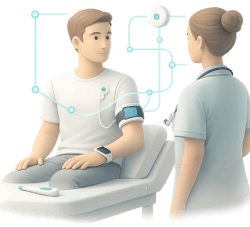
- Remote Patient Monitoring: Internet of Things devices like wearable sensors and connected medical devices help healthcare providers to monitor patients' vital signs remotely. Patients with chronic diseases such as hypertension and diabetes can use wearables to monitor their blood sugar levels or heart rate. The data will then be transmitted to their healthcare provider in real-time. The continuous monitoring allows early detection of potential health issues and early treatment.
- Fitness Tracking: IoT devices like fitness trackers and smart watches help with monitoring physical activities, sleep patterns, and other health metrics. They offer important information about users’ daily activities, then help them set and achieve fitness goals.
Industrial IoT (IIoT)
The Internet of Things is called the Industrial Internet of Things in the industrial sector. IIoT has transformed manufacturing, logistics, and energy management by offering real-time data and automation capabilities that improve operational efficiency and reduce costs. Major areas where IIoT is allied include:
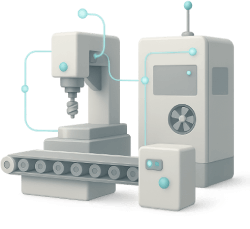
- Manufacturing Process Optimization: IIoT is used to measure and optimize manufacturing processes. IIoT sensors are incorporated in machines to help gather data on performance, energy consumption, and wear and tear. The data is then analyzed to identify deficiencies and predict when maintenance is needed. This helps prevent unnecessary expenses and downtime.
- Equipment Health Monitoring: Predictive maintenance in healthcare is a major application of the industrial Internet of Things. The devices allow healthcare workers to continuously monitor equipment health. They predict when a machine is likely to fail and schedule maintenance before a breakdown occurs. It provides an opportunity for proactive approaches towards managing healthcare equipment and reducing repair costs.
Agriculture
IoT has played a significant role in transforming agriculture through the incorporation of precision farming techniques that use data to improve agricultural practices. Farmers can use IoT devices to improve crop yields, reduce resource consumption, and improve overall farm management. Major applications of IoT in agriculture include:
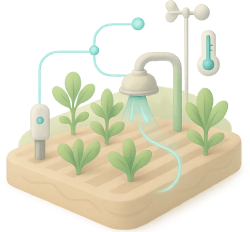
- Soil and Crop Monitoring: IoT sensors are used to monitor soil conditions, such as moisture levels, PH, and nutrient content. The data helps farmers to make better decisions about irrigation, fertilization, and planting schedules. For example, an irrigation system powered by IoT can automatically change water usage based on real-time soil moisture data, ensuring crops get the right amount of water while reducing waste.
- Weather Monitoring: IoT sensors can be incorporated into weather stations to provide real-time data on temperature, humidity, wind speed, and other meteorological factors. The information provided by the sensors is important for making decisions about planting, harvesting, and protecting crops from unfavorable weather conditions.
Transportation
IoT plays a significant role in the development of smart transportation systems, which help improve safety, reduce congestion, and improve the efficiency of logistics and public transit. Major areas where IoT is applied in transportation include:
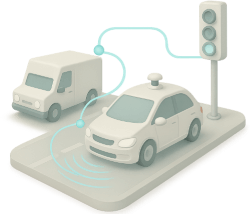
- Connected vehicles: Modern vehicles are now equipped with IoT sensors that monitor engine performance, fuel efficiency, and safety systems. These connected vehicles can communicate with each other and other infrastructures like traffic lights. They also enable features like adaptive cruise control, collision avoidance, and real-time traffic updates.
- Autonomous vehicles: Autonomous vehicles rely heavily on IoT technology. The vehicles use a combination of sensors, cameras, and GPS data to navigate roads without help from humans. IoT enables the continuous communication between the vehicle and its environment, allowing it to respond to changing conditions and avoid obstacles.
Retail
The IoT system has contributed to the recent growth in the retail industry. The system has improved shooing experiences and supply chain efficiency. Major applications of IoT in the retail industry:
- Smart Shelves: Smart shelves powered by IoT have weight sensors and RFID tags that help monitor inventory levels in real-time. The system automatically triggers a recorder when the stock is low. This ensures that shelves are always stocked with the products customers want. It also reduces the chances of running out of products and improves inventory management.
- Personalized Marketing: Retailers use IoT devices to monitor customer preferences and behavior in real-time. For example, beacons placed around a store know when a customer enters and send personalized offers or recommendations to their smartphones based on their shopping history. This approach helps increase customer engagement and sales.
Wrap Up
The Industrial Internet of Things (IIoT) has played a significant role in improving companies across various sectors. They help companies analyze product sales, customer satisfaction, increase efficiency, and improve product quality. It is no surprise that many major companies are now incorporating IIoT into their ventures.
Quick Links
IoT = Internet of Things and IIoT = Industrial Internet of Things. Here are some examples of real-life applications in both the Consumer and Industrial markets. Just some examples.#infographic by @antgrasso via @antgrasso_IT > #IoT #IIoT pic.twitter.com/mYfBpF5WPn
— Antonio Grasso (@antgrasso) October 4, 2020
With the kind help from
